
Ibn Hazm’s Stance
One argument advanced to diminish the significance of the early Islam of Imām ʿAlī (as) is that he was still young when he accepted the Messenger of Allah (s), and therefore was not yet legally accountable.
أما السَّابِقَة فَلم يقل قطّ أحد يعْتد بِهِ أَن عليا مَاتَ وَله أَكثر من ثَلَاث وَسِتِّينَ سنة وَمَات بِلَا شكّ سنة أَرْبَعِينَ من الْهِجْرَة فصح أَنه كَانَ حِين هَاجر النَّبِي صلى الله عليه وسلم ابْن ثَلَاث وَعشْرين سنة وَكَانَت مُدَّة النَّبِي صلى الله عليه وسلم بِمَكَّة فِي النُّبُوَّة ثَلَاث عشرَة سنة فَبعث عليه السلام ولعلي عشرَة أَعْوَام فإسلام ابْن عشرَة أَعْوَام ودعاؤه إِلَيْهِ إِنَّمَا هُوَ كتدريب الْمَرْء وَلَده الصَّغِير على الدّين لَا أَن عِنْده غناء وَلَا أَن عَلَيْهِ إِثْمًا إِن أَبى فَإِن أَخذ الْأَمر على قَول من قَالَ أَن عليا مَاتَ وَله ثَمَان وَخَمْسُونَ سنة فَإِنَّهُ كَانَ إِذْ بعث النَّبِي صلى الله عليه وسلم ابْن خَمْسَة أَعْوَام وَكَانَ إِسْلَام ابي بكر بن ثَمَان وَثَلَاثِينَ سنة وَهُوَ الْإِسْلَام الْمَأْمُور بِهِ من عِنْد الله عز وجل وَأما من لم يبلغ الْحلم فَغير مُكَلّف وَلَا مُخَاطب فسابقة أبي بكر وَعمر بِلَا شكّ أسبق من سَابِقَة عَليّ
As for precedence in accepting Islam, no recognised authority has ever said that ʿAlī lived beyond sixty-three years of age. It is certain that he died in 40 AH. Therefore, when the Prophet ﷺ migrated (Hijrah), ʿAlī was twenty-three years old. Since the Prophet ﷺ remained in Makkah for thirteen years after the commencement of Prophethood, ʿAlī was ten years old when the Prophet ﷺ was commissioned.
Consequently, the acceptance of Islam by a ten-year-old child, and the Prophet’s invitation to him, was merely akin to a father training his young son in religion. It was not because the child possessed any religious legal standing, nor would he have incurred any sin had he refused, since he was not legally accountable (mukallaf).
Moreover, if the opinion is adopted that ʿAlī died at the age of fifty-eight, then he would have been only five years old when the Prophet ﷺ was commissioned.
By contrast, Abū Bakr accepted Islam at the age of thirty-eight, and this was the Islam commanded by Allah for those who are legally accountable. As for one who has not yet reached puberty, he is neither legally accountable nor addressed by the obligations of the Sharīʿah.
Therefore, the precedence of Abū Bakr and ʿUmar in Islam is, without doubt, prior to the precedence of ʿAlī.
وَأما عمر فَإِنَّهُ كَانَ إِسْلَامه تَأَخّر بعد الْبَعْث بِسِتَّة أَعْوَام فَإِن غنآءه كَانَ أَكثر من غنآء أَكثر من أسلم قبله وَلم يبلغ على حد التَّكْلِيف إِلَّا بعد أَعْوَام من مبعث النَّبِي صلى الله عليه وسلم وَبعد أَن أسلم كثير من الصَّحَابَة رجال وَنسَاء بعد أَن عذبُوا فِي الله تَعَالَى ولقوا فِيهِ الألاقي (3) وَأما كَونه لم يعبد وثناً فَنحْن وكل مَوْلُود فِي لإسلام لم يعبد قطّ وثناً وعمار والمقداد وسلمان وَأَبُو ذَر وَحَمْزَة وجعفر رضي الله عنهم قد عبدُوا الْأَوْثَان أفترانا أفضل مِنْهُم من أجل ذَلِك معَاذ الله من هَذَا فَإِنَّهُ لَا يَقُوله مُسلم فَبَطل أَن يكون هَذَا يُوجب لعَلي فضلا زَائِدا وَإِلَّا لكَانَتْ عَائِشَة سَابِقَة لعَلي رضي الله عنهما فِي هَذَا الْفضل لِأَنَّهَا كَانَت إِذْ هَاجر النَّبِي صلى الله عليه وسلم بنت ثَمَانِي سِنِين وَأشهر وَلم تولد إِلَّا بعد إِسْلَام أَبِيهَا بسنين وَعلي ولد وَأَبوهُ عَابِد وثن قبل مبعث النَّبِي صلى الله عليه وسلم بسنين
As for ʿUmar, he embraced Islam six years after the Prophet’s commission. Nevertheless, despite entering Islam later, his contribution and benefit were greater than those of many who had accepted Islam before him.
As for ʿAlī, he did not even reach the age of legal responsibility until several years after the Prophet ﷺ had been commissioned, by which time many male and female Companions had already embraced Islam, endured severe persecution for the sake of Allah, and suffered various hardships.
As for the claim that ʿAlī never worshipped an idol, then we and indeed every person born into Islam have likewise never worshipped an idol. Yet ʿAmmār, al-Miqdād, Salmān, Abū Dharr, Ḥamzah, and Jaʿfar (may Allah be pleased with them) had worshipped idols before embracing Islam. Does that make us superior to them merely for that reason? God forbid! No Muslim would ever make such a claim.
Therefore, this fact does not establish any additional virtue for ʿAlī. Otherwise, ʿĀʾishah (may Allah be pleased with her) would possess an even greater merit in this regard than ʿAlī, because when the Prophet ﷺ migrated, she was only eight years and a few months old, having been born several years after her father (Abū Bakr) had accepted Islam, whereas ʿAlī was born to a father who worshipped idols for several years before the Prophet’s mission.
Source: al-Fiṣal fī al-Milal wa al-Ahwāʾ wa al-Niḥal, vol. 4, p. 112.
Ibn Ḥazm’s argument therefore attempts to move from ʿAlī (as)’s lack of adult legal responsibility to the conclusion that his earlier acceptance of Islam carried no meaningful precedence.
As we shall demonstrate, this conflates three separate matters: legal accountability, religious merit and chronological precedence.
Reply One: Ibn Ḥazm Confuses Legal Accountability with Religious Merit
Let us concede Ibn Ḥazm’s basic legal premise.
A child who has not attained legal maturity does not bear precisely the same religious obligations as an adult.
But this proves only that such a person is not subject to the same liability for refusing an obligation.
It does not prove the absence of merit in voluntarily accepting and acting upon the truth.
These are entirely separate propositions.
Ibn Ḥazm proceeds from:
“ʿAlī would not have been sinful had he refused”
to:
“Therefore there was no significant merit in his acceptance.”
The second proposition does not logically follow from the first.
The principle may be expressed succinctly:
عدم وجوب الفعل لا يعني عدم فضيلة الفعل
“The fact that an act is not obligatory does not mean that performing it possesses no virtue.”
عدم الإثم عند الترك لا يستلزم عدم الأجر عند الفعل
“Absence of sin for omission does not entail absence of reward for performance.”
At most, Ibn Ḥazm establishes that the young ʿAlī (as) would not have borne the same legal liability as a mature adult had he refused.
That does not establish that ʿAlī (as) was incapable of understanding, believing, choosing or acquiring merit through voluntary obedience.
Reply Two: Sunni Jurisprudence Recognises Genuine Religious Acts Performed by Children
The distinction is demonstrated clearly in Ṣaḥīḥ Muslim.
A woman lifted a child before the Messenger of Allah (s) and asked:
أَلِهَذَا حَجٌّ؟
“Does this child have a Ḥajj?”
The Prophet (s) replied:
نَعَمْ وَلَكِ أَجْرٌ
“Yes, and you will have a reward.”
Reference: Muslim b. al-Ḥajjāj, Ṣaḥīḥ Muslim, Kitāb al-Ḥajj, no. 1336; ed. Muḥammad Fuʾād ʿAbd al-Bāqī, vol. 2, p. 974.
Online source: Ṣaḥīḥ Muslim 1336
The child was plainly not legally obliged to perform the obligatory Ḥajj of an adult.
Yet his religious act was not dismissed as meaningless.
Imām al-Nawawī comments:
فيه حجة للشافعي ومالك وأحمد وجماهير العلماء أن حج الصبي منعقد صحيح يثاب عليه وإن كان لا يجزيه عن حجة الإسلام بل يقع تطوعاً
“This contains evidence for al-Shāfiʿī, Mālik, Aḥmad and the majority of scholars that the Ḥajj of a child is validly constituted and correct, and that he is rewarded for it, although it does not discharge the obligatory Ḥajj of Islam; rather, it counts as a voluntary act.”
Reference: al-Nawawī, al-Minhāj Sharḥ Ṣaḥīḥ Muslim, vol. 9, commentary upon Muslim no. 1336.
Al-Nawawī then records an opposing explanation that the child’s participation amounted merely to:
تمريناً له
“training for him,”
and responds:
وهذا الحديث يرد عليهم
“This ḥadīth refutes them.”
Reference: al-Nawawī, al-Minhāj Sharḥ Ṣaḥīḥ Muslim, vol. 9, commentary upon Muslim no. 1336.
Exact online Arabic text: al-Nawawī’s commentary on Muslim 1336
Scanned volume: Original photographed edition of al-Nawawī’s Sharḥ Muslim
Al-Nawawī was discussing a child’s Ḥajj, not the acceptance of Islam by ʿAlī (as). We make no suggestion otherwise.
The relevance is the underlying principle.
Ibn Ḥazm reduces ʿAlī (as)’s Islam to:
تدريب المرء ولده الصغير على الدين
“a man training his little child upon religion.”
Yet Sunni jurisprudence itself establishes that lack of adult taklīf does not require every religious act performed by a child to be reduced to mere training devoid of validity and reward.
Reply Three: Precedence Means Coming First — Age Cannot Rewrite Chronology
There is an even simpler problem with Ibn Ḥazm’s reasoning.
Imagine a teacher presents a difficult question to students of different ages.
The youngest pupil answers correctly first.
An older pupil answers later.
The older pupil may subsequently obtain more qualifications, win more prizes or make a greater contribution to the school.
Those subsequent accomplishments may legitimately be praised.
But they cannot change one historical fact: the younger pupil answered first.
“Because the younger pupil carried fewer academic obligations, the older pupil who answered later should therefore be regarded as having answered first.”
That reasoning would plainly make no sense. Age may affect responsibility. It does not alter chronology.
Legal maturity may affect responsibility. It does not rewrite chronology.
If ʿAlī (as) accepted Islam before another individual, his youth may be relevant when discussing the legal obligations resting upon him.
It cannot make another person’s later conversion chronologically earlier.
Ibn Ḥazm’s own treatment of ʿUmar demonstrates the problem.
He concedes that ʿUmar accepted Islam:
بعد البعث بستة أعوام
“six years after the beginning of the mission.”
He then praises ʿUmar’s contribution above many:
من أسلم قبله
“who accepted Islam before him.”
Ibn Ḥazm has therefore already conceded that others accepted Islam before ʿUmar.
Later contribution may be a separate virtue. It cannot retrospectively change the order of conversion.
Reply Four: Sunni Authorities Explicitly Record the Precedence of Imām ʿAlī (as)
The proposition that ʿAlī (as) possessed precedence in accepting Islam is not merely a Shīʿī assertion.
Al-Tirmidhī narrates from Zayd b. Arqam:
أَوَّلُ مَنْ أَسْلَمَ عَلِيٌّ
“The first to accept Islam was ʿAlī.”
Al-Tirmidhī then states:
هَذَا حَدِيثٌ حَسَنٌ صَحِيحٌ
“This is a ḥasan ṣaḥīḥ ḥadīth.”
Reference: al-Tirmidhī, al-Jāmiʿ, no. 3735.
Online source: Jāmiʿ al-Tirmidhī 3735
For complete transparency, the report also states that when ʿAmr b. Murrah related this statement to Ibrāhīm al-Nakhaʿī, he disagreed and maintained that Abū Bakr was the first.
That disagreement is itself revealing.
The dispute was: Was Abū Bakr first or was ʿAlī (as) first?
It was not: Did ʿAlī (as)’s Islam count at all?
Al-Tirmidhī further records:
وقد اختلف أهل العلم في هذا فقال بعضهم أول من أسلم أبو بكر الصديق وقال بعضهم أول من أسلم علي
“The people of knowledge differed regarding this. Some said that the first to accept Islam was Abū Bakr al-Ṣiddīq, while others said that the first to accept Islam was ʿAlī.”
He then records one conciliatory view:
وقال بعض أهل العلم أول من أسلم من الرجال أبو بكر وأسلم علي وهو غلام ابن ثمان سنين وأول من أسلم من النساء خديجة
“Some of the people of knowledge said: the first of the men to accept Islam was Abū Bakr; ʿAlī accepted Islam while he was a boy of eight years; and the first of the women to accept Islam was Khadījah.”
Reference: al-Tirmidhī, al-Jāmiʿ, no. 3734.
Online source: Jāmiʿ al-Tirmidhī 3734
Even this reconciliation does not erase the Islam of ʿAlī (as).
وأسلم علي
“And ʿAlī accepted Islam.”
His youth is used to categorise the precedence, not to deny that it occurred.
The Prophet (s) Is Also Reported to Have Described ʿAlī (as) as the Earliest of His Ummah in Islam
The Prophet (s) is reported to have said to Fāṭimah (as):
أما ترضين أني زوجتك أقدم أمتي سلماً وأكثرهم علماً وأعظمهم حلماً
“Are you not satisfied that I married you to the earliest of my Ummah in Islam, the most knowledgeable of them and the greatest of them in forbearance?”
Reference: Aḥmad b. Ḥanbal, al-Musnad; al-Ṭabarānī, al-Muʿjam al-Kabīr, 20/229–230, no. 538. Al-ʿIrāqī graded its isnād ṣaḥīḥ.
Direct source and grading: أقدم أمتي سلماً — source text and grading
The relevant words are:
أقدم أمتي سلماً
“the earliest of my Ummah in Islam.”
According to this narration, the early Islam of ʿAlī (as) is expressly treated as a virtue of precedence.
One Report Places ʿAlī (as) at Fifteen or Sixteen
The historical reports also differ concerning the precise age of ʿAlī (as) when he believed.
Al-Ḥasan and others are reported to have said:
فكان أول من آمن علي بن أبي طالب وهو ابن خمس عشرة أو ست عشرة سنة
“ʿAlī b. Abī Ṭālib was the first to believe, and he was fifteen or sixteen years old.”
Al-Haythamī states:
رواه الطبراني ورجاله رجال الصحيح
“Al-Ṭabarānī narrated it, and its narrators are narrators of the Ṣaḥīḥ.”
Reference: al-Haythamī, Majmaʿ al-Zawāʾid, 9/105; al-Ṭabarānī, al-Muʿjam al-Kabīr, no. 163.
Direct online source: Report and al-Haythamī’s grading
Actual scanned page: Majmaʿ al-Zawāʾid scanned page containing the reports
This is important because Ibn Ḥazm’s argument heavily depends upon one particular reconstruction of ʿAlī (as)’s age.
Yet the historical tradition preserves materially different estimates.
Important: the Arabic here says fifteen or sixteen, not ten.
A Modern Hanafi Scholar Also Recognised the Sunni Evidence
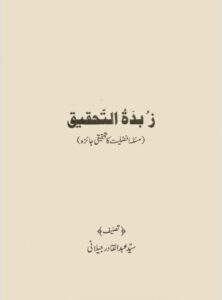
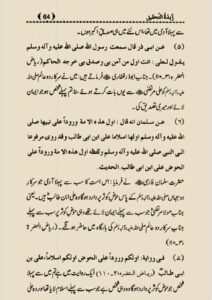
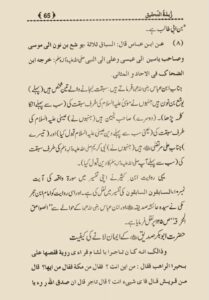
The late Hanafi scholar ʿAbd al-Qādir Jīlānī devoted pp. 61–65 of Zubdat al-Taḥqīq to Sunni reports affirming the precedence of ʿAlī (as) in Islam.
Among the evidence he cites is the report of Zayd b. Arqam, together with other narrations concerning ʿAlī (as)’s precedence.
Reference: ʿAbd al-Qādir Jīlānī, Zubdat al-Taḥqīq, pp. 61–65, Qadriya Jilaniya Publications, Dār al-ʿUlūm Qadriya Jilaniya, London.
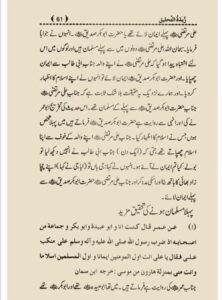
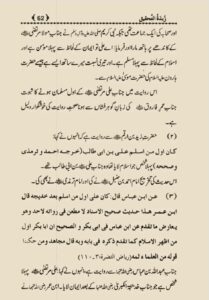
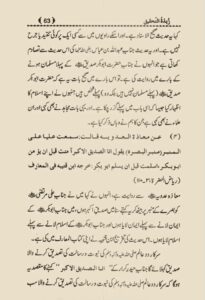
We do not rely on this modern scholar as a substitute for the earlier sources.
His value is corroborative: even within modern Hanafi scholarship, the Sunni evidence for ʿAlī (as)’s precedence has been openly recognised and marshalled.
Reply Five: Ḥadīth al-Indhār — Did the Prophet (s) Regard ʿAlī (as)’s Response as Meaningless Childish Exuberance?
Perhaps the clearest historical response to Ibn Ḥazm is supplied by Ḥadīth al-Indhār.
Ibn Ḥazm seeks to portray the young ʿAlī (as)’s acceptance as:
كتدريب المرء ولده الصغير على الدين
“like a man training his young child upon religion.”
But is this how the Messenger of Allah (s) himself is portrayed as treating the response of ʿAlī (as)?
The reports suggest precisely the opposite.
The Prophet (s) Solicited a Deliberate Pledge
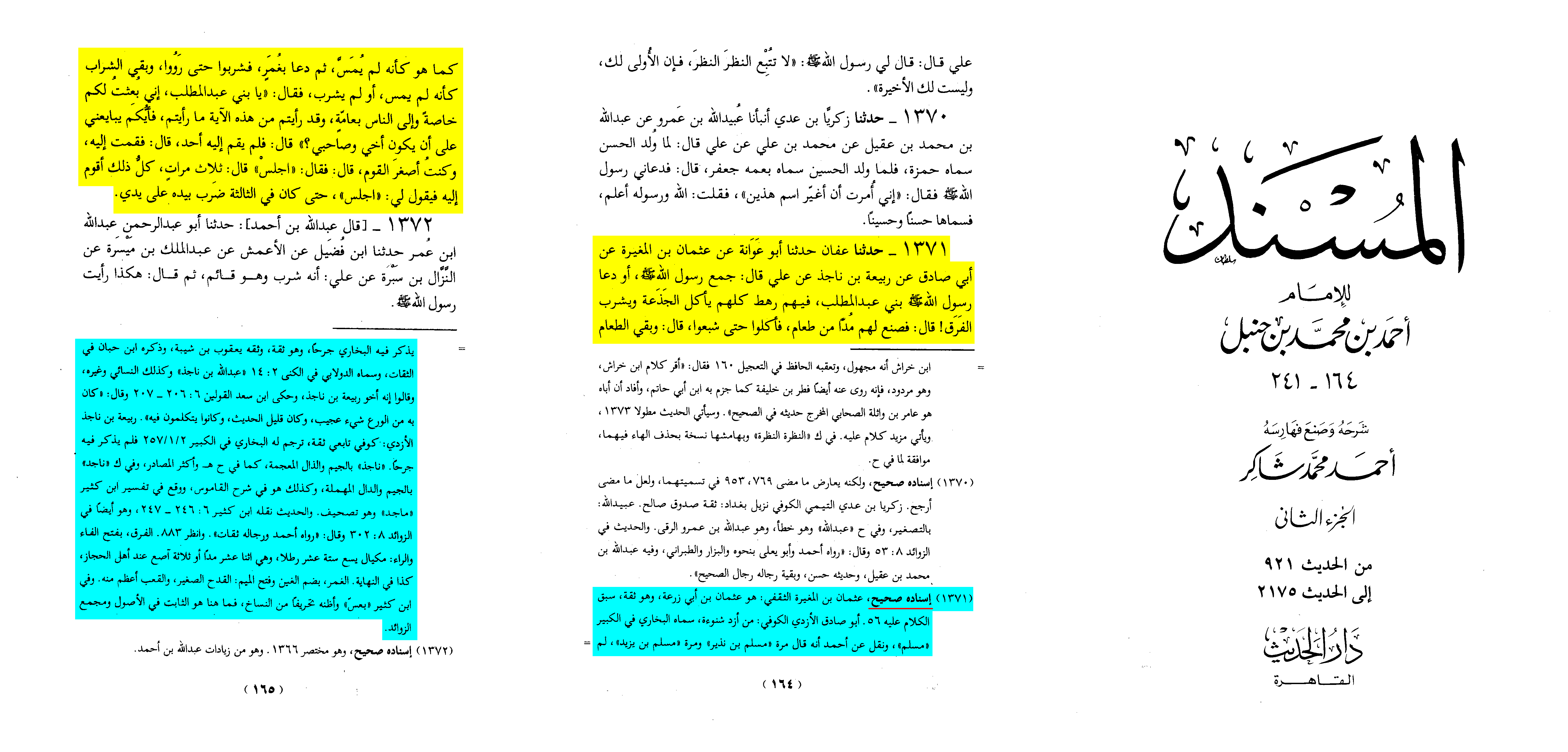
This tradition is found in Musnad Ahmad b. Hanbal Vol 2 pg. 264, Hadith number 1371 and certified by Shaykh Ahmad Shakir:
Narrated to us by Affan, narrated to us by Abu Awanah, from Uthman b. al-Mughira, from Abu Sadiq, from Rabi’ah b. Najidh, from Ali who said:
The Messenger of Allah (SAW) gathered or called the Banu ‘Abd al-Muttalib, a group among them all capable of eating a whole young sheep and drinking (the contents of) a large bowl. He made for them a small measure of food, and they ate until they were full, and the food remained as if untouched. Then he called for a small amount of drink, and they drank until satisfied, and the drink remained as if untouched or undrunk.
He then said: ‘O Banu ‘Abd al-Muttalib, I have been sent to you specifically and to all people generally. You have seen what you have seen of this miracle (ayah). So who among you will give me allegiance to be my brother and my companion?’
(Ali said No one stood up to him, so I stood up, and I was the youngest of the group.
He (the Prophet) said: Sit down. He repeated this three times — each time I stood up, he told me to sit down — until the third time, he struck his hand into mine.
[USE EXISTING ḤADĪTH AL-DĀR / MUSNAD AḤMAD SCAN HERE]
https://static.wixstatic.com/media/436d7d_79883edfb46645ce95608079e935f541~mv2.webp
The important wording is:
فَأَيُّكُمْ يُبَايِعُنِي
“So who among you will give me allegiance?”
The Prophet (s) was soliciting a response.
The older men remained silent.
ʿAlī (as) stood.
He was told to sit.
He stood again.
And again.
Ultimately his response was accepted.
The narration therefore depicts understanding, choice, initiative, persistence and an accepted pledge.
That is fundamentally different from an uncomprehending child blindly copying household religion.
The Prophet (s) Knew He Was the Youngest
ʿAlī (as) expressly says:
وَكُنْتُ أَصْغَرَ الْقَوْمِ
“and I was the youngest of the group”
His youth was therefore not something unknown to the Messenger of Allah (s).
It is part of the report itself.
The Prophet (s) knew who was standing before him.
If ʿAlī (as)’s response possessed no significance because of his youth, why solicit and ultimately accept his pledge?
Was the Messenger of Allah (s) unable to distinguish between genuine understanding and childish exuberance?
Clearly that cannot be the argument.
The Prophet (s) was in a far better position to assess the understanding and potential of ʿAlī (as) than Ibn Ḥazm, writing centuries afterwards.
Sunni Authentication of the Aḥmad Report
This tradition was also certified by:
-
Wasi Allah Muhammad ‘Abbas, the editor of Fada’il al-Sahaba Vol. 2, pg. 712 – 713, Hadith # 1220.
-
Al-Haythami certified the narrators in his Majma’ al-Zawa’id, Vol. 8, pg. 381 – 382, Hadith # 14109.
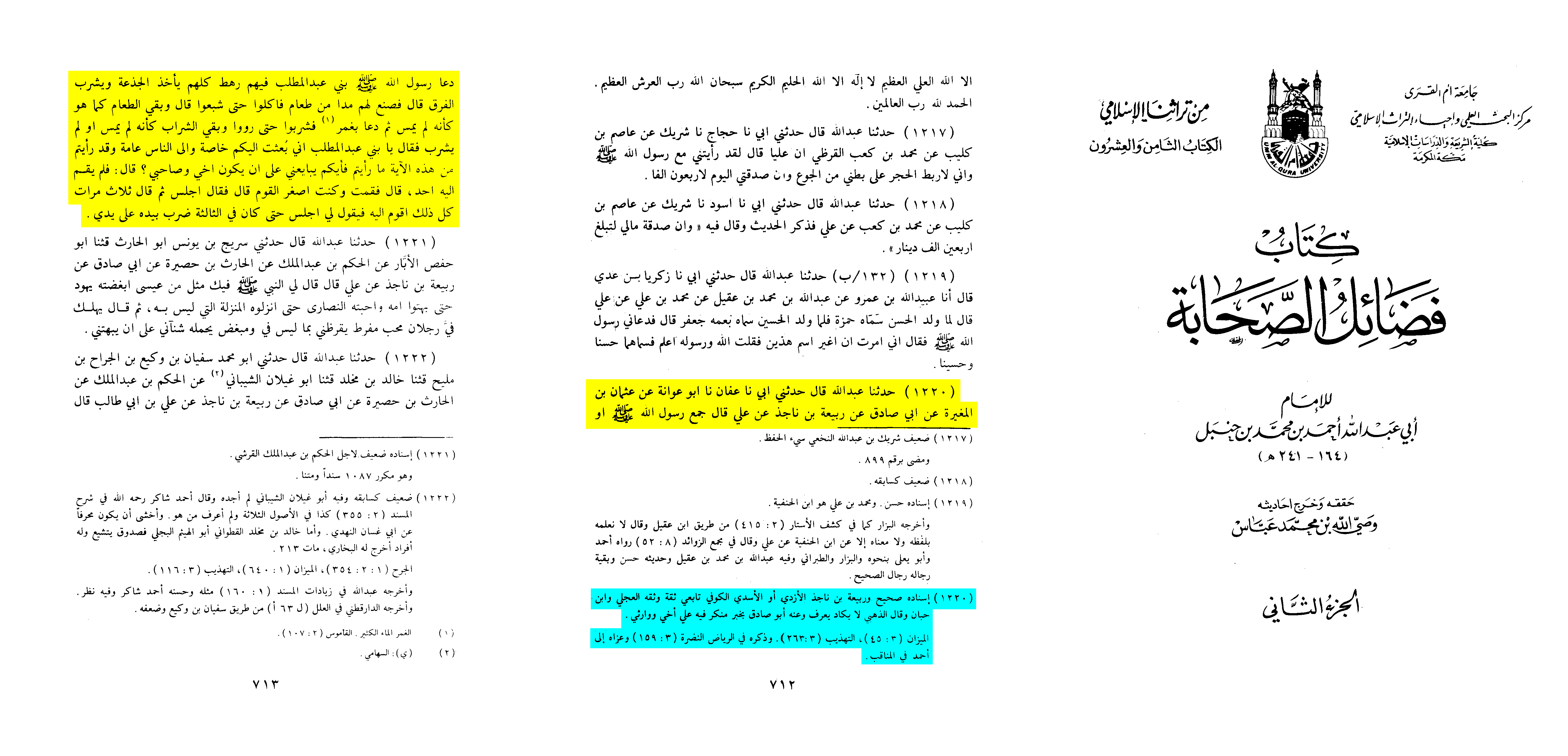
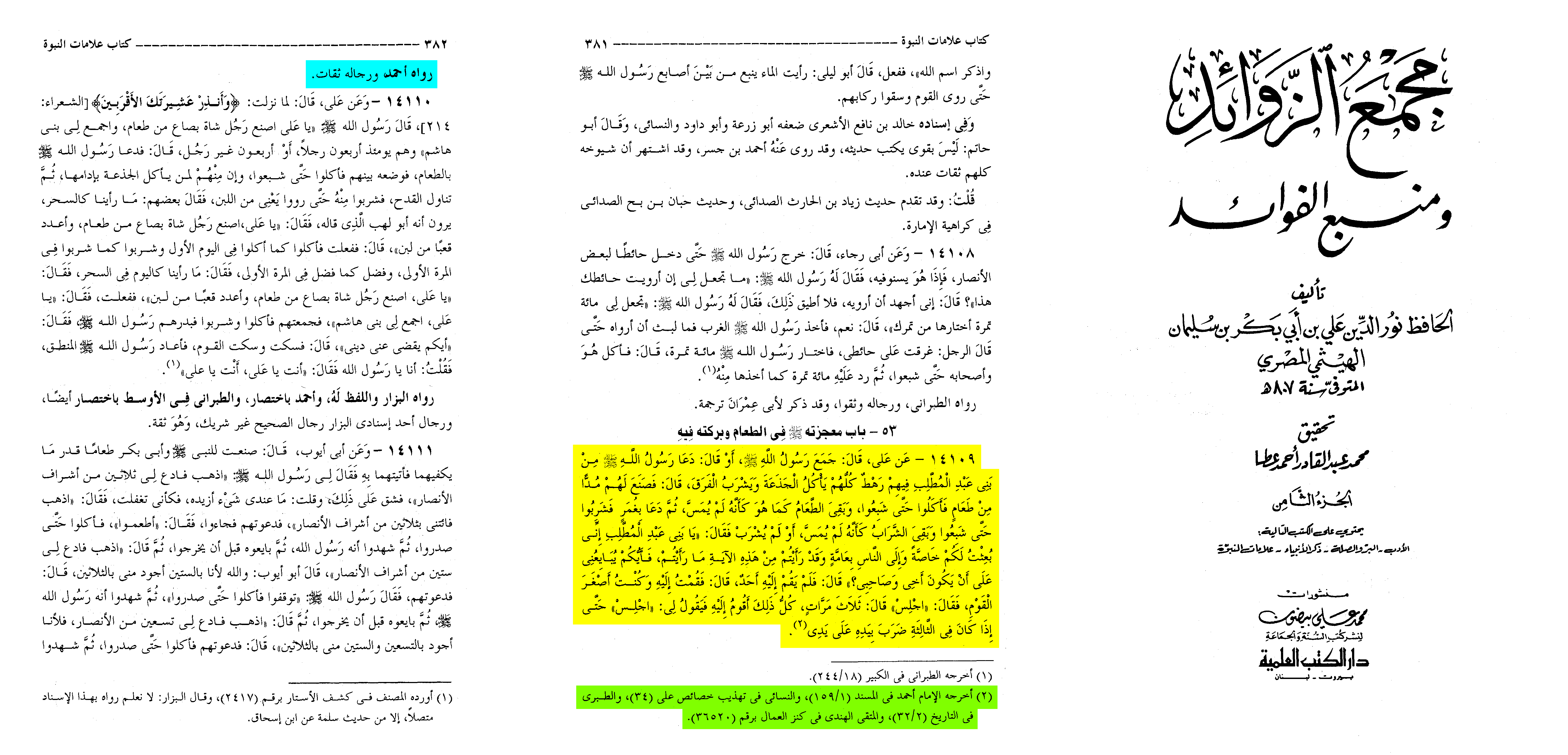
The report begins with stating that the Prophet (s) called Banu ‘Abd al-Muttalib, who were heavy eaters and could consume a lot of food, and offered them a small amount of food that wouldn’t suffice just one of them. Somehow it fulfilled them all, and the food remained as if it were untouched; he repeated this act with drinks. This is a miracle of the blessed Prophet (SAW).
After performing this miracle, he asks them who will pledge to him as his brother and companion, to which none stands but ‘Ali (as).
Shuʿayb al-Arnaʾūṭ disagreed and weakened the chain.
We therefore claim no unanimity.
The accurate position is that recognised Sunni authorities authenticated the report, while other later Sunni critics disagreed.
Al-Nasāʾī Preserves the Fuller “Brother, Companion and Inheritor” Wording
Al-Nasāʾī transmits the same episode with the Prophet (s) asking:
فَأَيُّكُمْ يُبَايِعُنِي عَلَى أَنْ يَكُونَ أَخِي وَصَاحِبِي وَوَارِثِي؟
“Which of you will pledge himself to me that he be my brother, my companion and my inheritor?”
Again, ʿAlī (as) says:
وَكُنْتُ أَصْغَرَ الْقَوْمِ
“I was the youngest of the people.”
Reference: al-Nasāʾī, al-Sunan al-Kubrā, Muʾassasat al-Risālah ed., vol. 7, p. 432, no. 8397.
Direct online source: al-Nasāʾī 8397 — full Arabic report
This recension shares the underlying route of the report in Aḥmad and is not claimed as an entirely independent chain.
Its importance is textual: the Prophet (s) is not portrayed as treating ʿAlī (as)’s response as childish nonsense, but as a pledge carrying a defined status.
The Fuller Recension: “My Brother, My Waṣī and My Khalīfah”
A fuller recension preserves the Prophet (s) asking:
فَأَيُّكُمْ يُؤَازِرُنِي عَلَى هَذَا الْأَمْرِ عَلَى أَنْ يَكُونَ أَخِي وَوَصِيِّي وَخَلِيفَتِي فِيكُمْ؟
“Which of you will assist me in this matter, on the condition that he be my brother, my waṣī and my khalīfah among you?”
Following the response of ʿAlī (as), the Prophet (s) declares:
هَذَا أَخِي وَوَصِيِّي وَخَلِيفَتِي فِيكُمْ فَاسْمَعُوا لَهُ وَأَطِيعُوا
“This is my brother, my waṣī and my khalīfah among you; therefore listen to him and obey him.”
Reference: al-Ṭabarī, Tahdhīb al-Āthār, Musnad ʿAlī, no. 127; also Ibn ʿAsākir, Tārīkh Dimashq, biography of ʿAlī.
Direct source: al-Ṭabarī recension — full wording
The chain of this fuller recension has been disputed by Sunni critics.
That disagreement should be stated openly.
Our case does not depend upon pretending that every wording has unanimous authentication.
Rather, the cumulative textual picture is:
-
Aḥmad preserves bayʿah, brother and companion;
-
al-Nasāʾī preserves brother, companion and inheritor;
-
the fuller recension preserves brother, waṣī and khalīfah, together with an instruction to hear and obey.